
restoring hope blog
Read about CHILDREN'S lives transformed, cycles of poverty broken, and THE opportunities before us
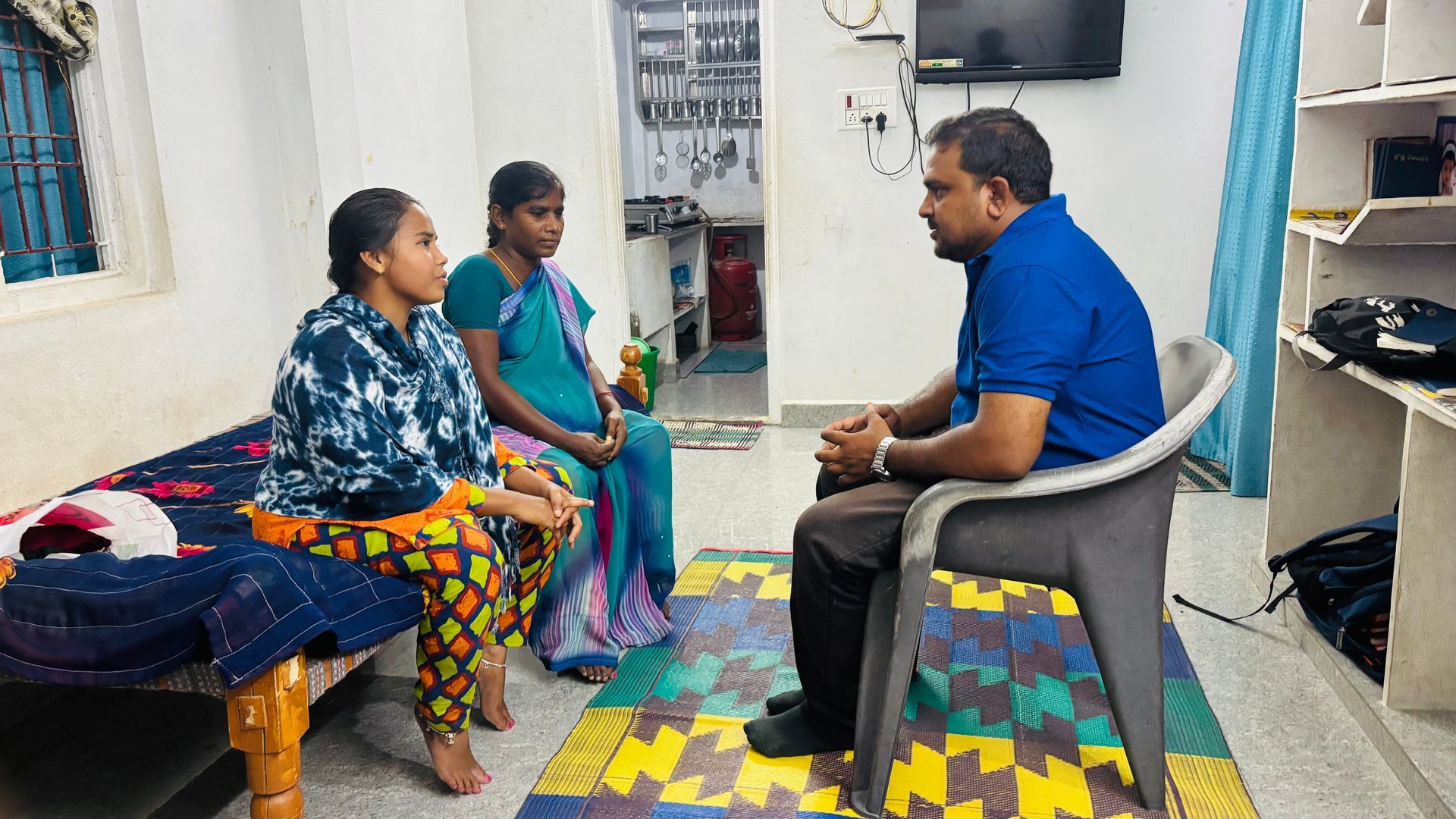
What does it actually look like to care for orphaned and vulnerable children? Not for a week, not for a season—but for an entire childhood? We recently sat down for a long conversation with two of our longest-serving staff members: a husband-and-wife team of indigenous social workers who have given a combined 24 years to this work in South Asia. For security reasons, we can't share their names, but we wanted our wider community to know what their calling looks like in their own words! A calling that started early Both of them will tell you this work began long before it was a job. She grew up gathering the children of her community for Sunday school. Every week, she went house to house, reminding families it was time to come. When the children weren't interested (Sunday was, after all, their only day off) her mother gave her a small offering to buy chocolates as an incentive. It worked. A young lady with a pocketful of chocolates and a heart for children grew up to spend her life doing exactly that: gathering children, one by one. He grew up as a pastor's son, listening as families came to his father with heartbreaking prayer requests. Between tears, they'd share of no food, no support, nowhere to turn. "From childhood," he told us, "I had a dream that I wanted to help the poor." Years before he officially joined Restoring Hope's staff, he was already tutoring some of our children in the evenings after his own classes.
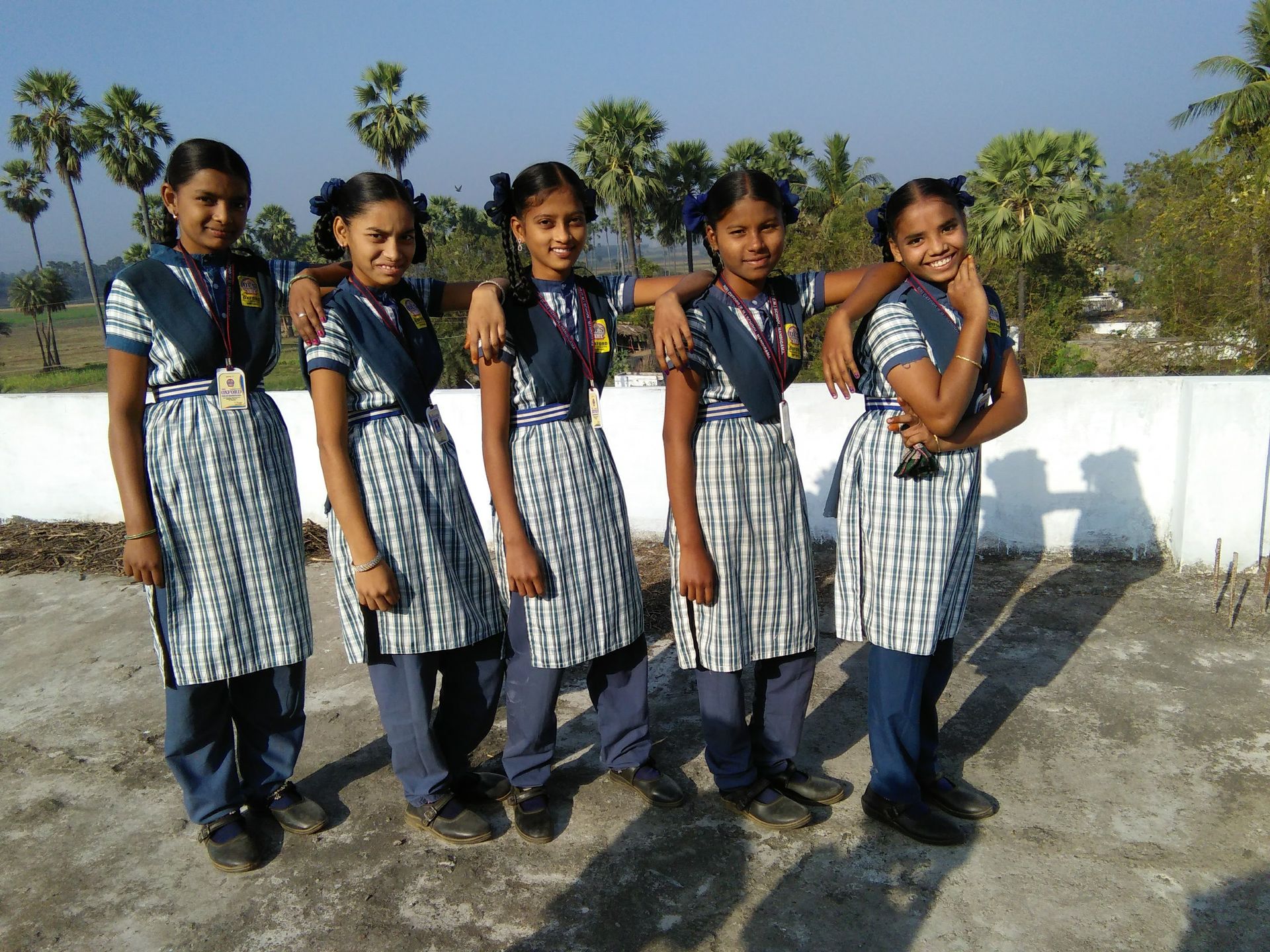
A few weeks ago, we sat down for a rare video interview with two of our longest-serving social workers: a husband-and-wife team with 24 combined years of service on the ground with Restoring Hope. We asked them many questions that day. But near the end, we asked them to tell us about one child whose story encouraged them. Without hesitation, and to our surprise, they both chose the same girl: Roshni. The girl who wouldn't speak Roshni* was one of the very first children Restoring Hope served. She joined in 2009, when our work was just beginning, before we transitioned to family-based care. Her family had been broken apart when her father left, leaving her mother to provide for and raise Roshni and her sister alone. These social workers remember Roshni from those first months. She was often sitting apart, silent, unable to bring herself to interact with the other children. Healing came the way it does best: slow and steady... A nutritious meal every day. School every morning. Worship every Sunday. Adults who would still be there tomorrow. For the first time, Roshni had things she could count on. The social workers said it this way: "When we treated that girl as a family member—providing prayers and building relationships—that kind of [family-like] attachment happened."
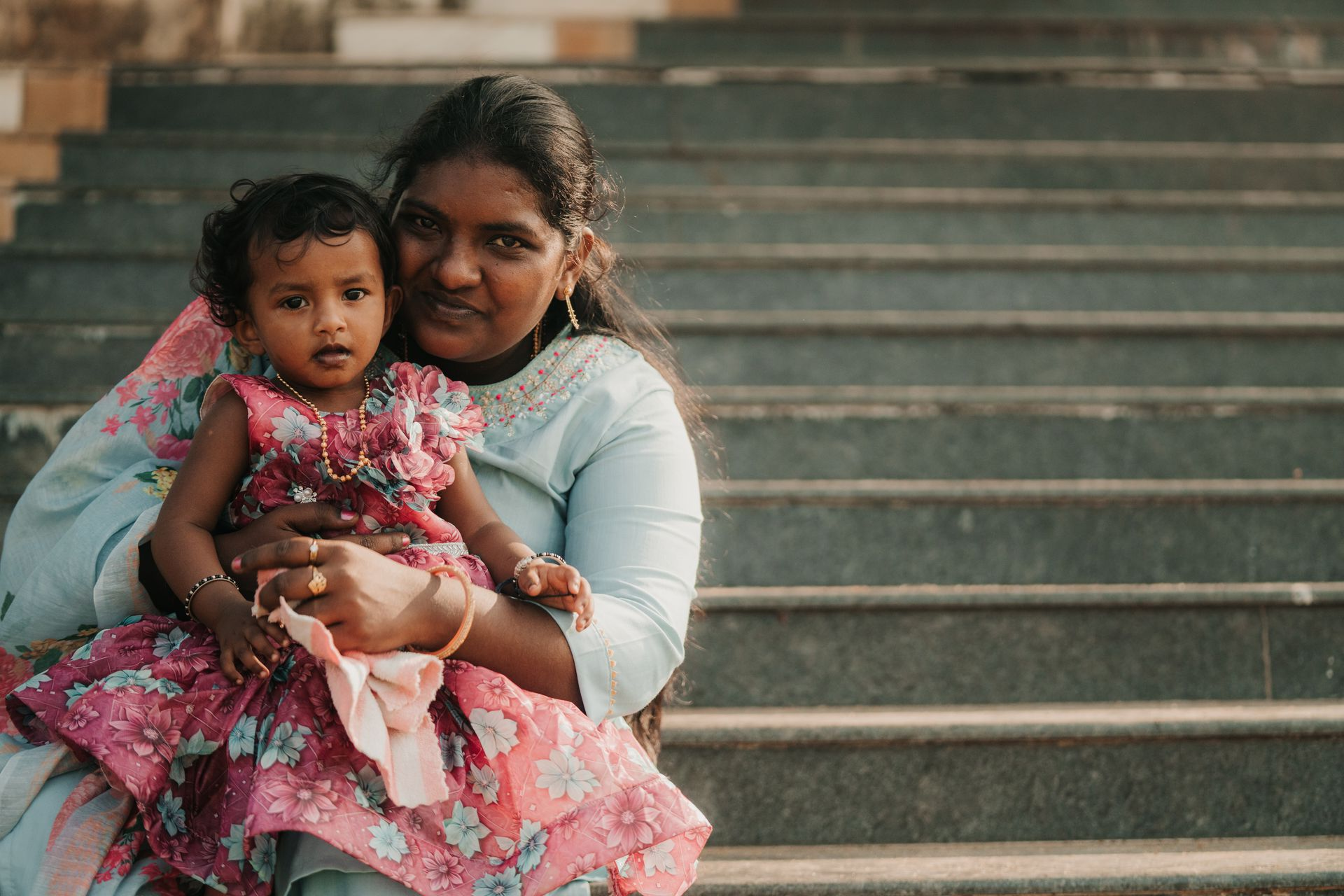
By Sean When Paige and I first felt called to orphaned children in South Asia, I assumed I knew what that work looked like. You find a child who has lost everything, and you rescue them. You bring them somewhere new and give them a fresh start. Then I learned something that changed everything for us: 96% of the world's "orphans" have at least one living relative 78% have one living parent Read those again. The overwhelming majority of children we call orphans actually have one living parent, but one who is—for reasons usually having to do with poverty—unable to adequately care for their child. And almost all the rest have a grandmother, an aunt or uncle, an older brother or sister… Someone who already knows them, already shares their story, and in most cases, already loves them. What these families lack isn't love. It's resources. Poverty, not death, is what most often separates a child from family. For generations, the first response to an orphaned child was to build an orphanage. It was well-intentioned. And honestly, I understand it, because we spent our first decade caring for children in family-style “children’s homes” led by village pastors. We loved those children well. But we came to want more for them than good care. We wanted them to belong. So we transitioned everything we do at Restoring Hope to what's called family-based care. Here's what that means: When a child loses one or both parents, we make it possible for that child to remain with their living biological family. In village South Asia, extended family isn't a backup plan; it's already the natural fabric of a child's life. A grandmother's home is not a placement. It's home. Then we surround that family through the local village church, pouring love on the child and their caregiver—so the child's needs are met no matter how difficult the tragedy they've walked through. And we invest in their education, so these children rise out of poverty, often as the first in their family to earn a college degree. (Notably, Restoring Hope recently celebrated our 100th college graduate!) And here's my favorite part. When our kids talk about their futures, listen to what they say: "I want to take care of my grandpa." "I want to make sure my grandma is taken care of." "I want to help give back to my community." That's the difference. A child rescued out of their world dreams of leaving. A child restored within their family dreams of giving back to the very people who raised them, and to villages that will be transformed by them. At Restoring Hope, we don't rescue children from their families. We restore children with their families. It's slower, quieter work. And we're convinced it's the work God has given us. If you'd like to go deeper into how family-based care works at Restoring Hope, and read a story that demonstrates its impact, I invite you to read more here .
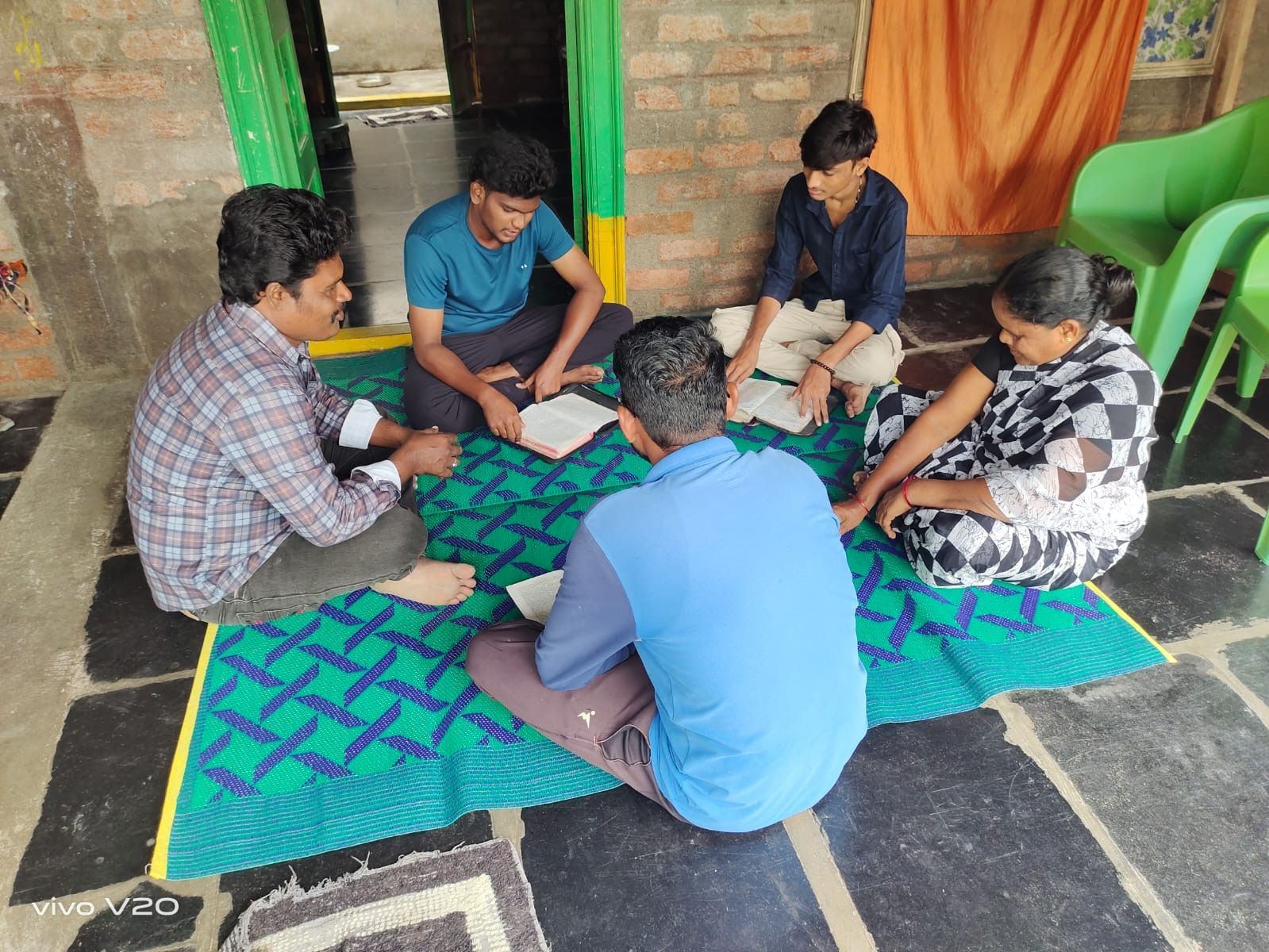
When Devvik* was very young, his father passed away from illness. His mother was left to raise two children alone, working as a daily wage laborer in the fields just to put food on the table. Many times, there wasn't enough. Relatives and neighbors who could have helped largely looked away. One day, Devvik's mother heard a local pastor share about how their church was caring for children facing situations just like theirs—through Restoring Hope. Today, our model of care keeps children with their biological families whenever possible. But years ago, when Devvik first came to us, that support looked a little different. He was welcomed into the church children's home, surrounded by people who cared for him, ensured he had proper nutrition and medical care, and walked alongside his education every step of the way. He still remembers it as a place where, for the first time, everything felt safe.
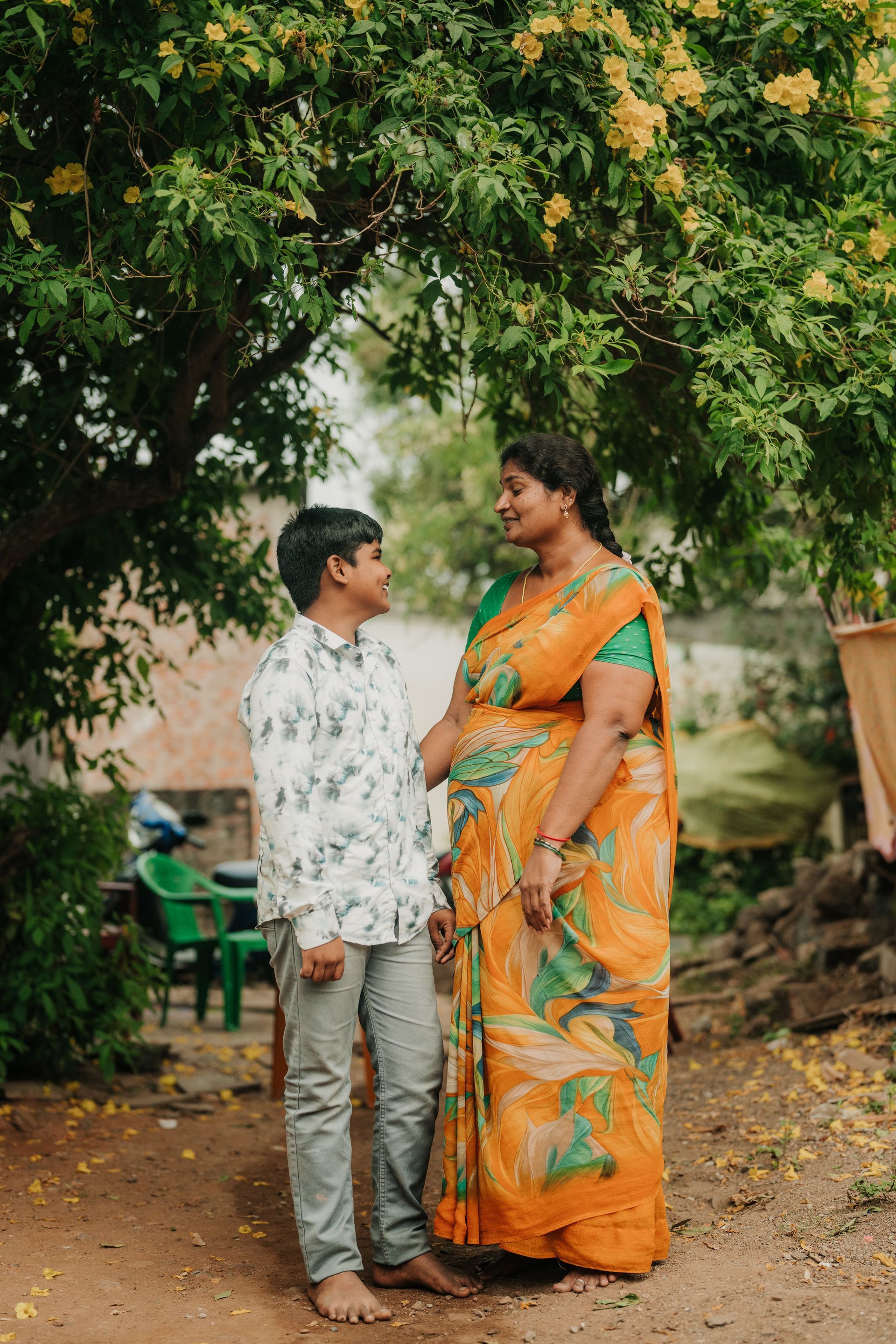
When Nabil* was just four years old, his father left the family after years of instability and violence in the home. In the wake of that abandonment, his mother did everything she could to hold things together. She moved in with her parents and worked long hours simply to provide the basics. For years, life for Nabil was marked by uncertainty. School became inconsistent—a common reality for families in rural South Asia facing similar circumstances. And so, Nabil’s future felt very much in question. But through a relationship with a local pastor and the support of a Restoring Hope social worker, Nabil and his family were connected to our family-based care. And slowly, over time, things began to change.
Pascal is best known for what we call “Pascal’s Wager,” which essentially says, “believing in God is the most rational bet because the potential gains are infinite (eternity with God) while the potential losses are finite (a few earthly pleasures). In other words, if God exists, believers gain everything; if God does not exist, believers lose very little. This so-called wager came to Pascal’s mind after a “night of fire,” where he spent a couple hours in the presence of God. After the experience, Pascal claimed his life was never the same. Yet he lived in a heavily Christianized culture, where the vast majority of people followed the customs and values of Christianity whether or not they had genuinely surrendered their lives to the Lordship of Christ. So how can we know Pascal’s transformation after his “night of fire” was genuine? Especially in light of his infamous wager? The short answer is: We can tell by the way his life changed thereafter. In fact, four key indications of Pascal’s transformed life were recently described in Plough Quarterly--indications I can’t help but consider when reflecting on my own transformation in Christ. They are: 1. A deep desire for ongoing prayer and worship 2. A radical awareness of his sin 3. A longing to share with others his faith experience 4. A significant shift in his priorities and life to care for the poor And it’s that last one in particular that reminds me of our Restoring Hope partners—people like you who have made significant shifts in your priorities and lives so that 800 orphaned and vulnerable children in rural South Asia can also experience transformation in Jesus. The fact that you entrust some of your time and/or your finances to God and to Restoring Hope for the sake of families entrenched in cycles of generational poverty, is an indication of the authenticity of your own hope in Jesus. I am truly grateful. And since you’re here, I have to ask: Did you know our Restoring Hope blog is filled with stories of children’s lives you have helped impact? I invite you to check out one or two while you’re here, and be encouraged by what you’re part of!

At just six years old, Shanti’s life was on a path far too common in rural villages of South Asia. After losing his father, his family struggled to survive. The dream of an education seemed impossible, and his future was clouded by the harsh realities faced by orphaned and vulnerable children in his village. But Shanti’s story did not end with heartbreak—because someone stepped in. When his grandmother reached out to a local Restoring Hope pastor, everything changed. Shanti was welcomed into the care of his extended family, supported by a local church, and given the opportunity to attend school—something his family could never have provided on their own. Fast forward to today, and Shanti has graduated from college with a pharmacy degree. He’s working at a pharmacy and dreaming of opening his own, bringing affordable healthcare to his village and lifting up his community.
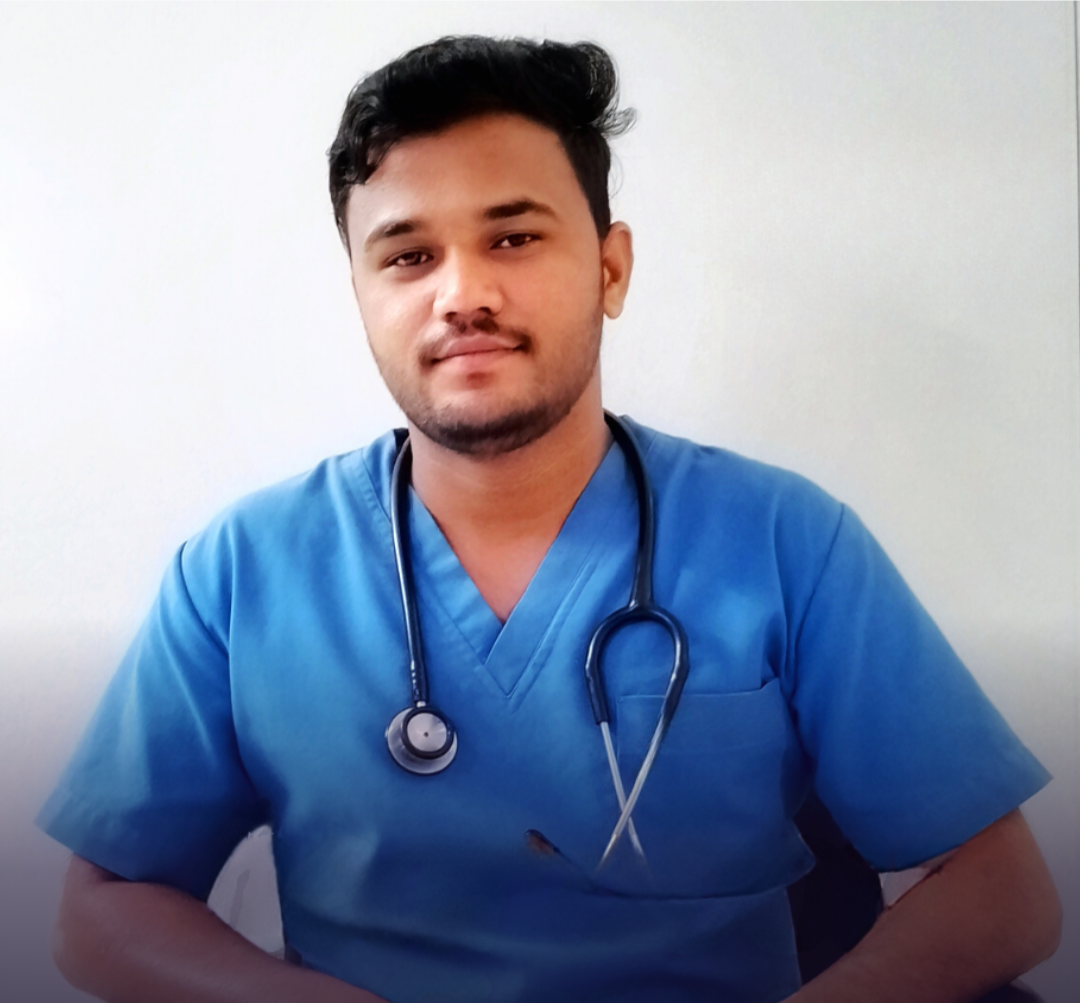
After both of his parents committed suicide, Sevy—just a first grader—was left in the care of his grandfather. Sevy had been born into a “backwards caste,” a tribal group living off the radar in rural India. Like many in his community, his early life was filled with instability, abuse, and fear. His father was an alcoholic who beat his mother. His home was no place for a child to thrive—or even survive. A CHILD LEFT FOR DEAD One night, Sevy was found unconscious in the streets of his village. He was barely alive. But thanks to a compassionate neighbor and a determined grandfather who wanted something better, Sevy was brought to a local church in the Restoring Hope network. There, everything began to change. That all happened more than ten years ago
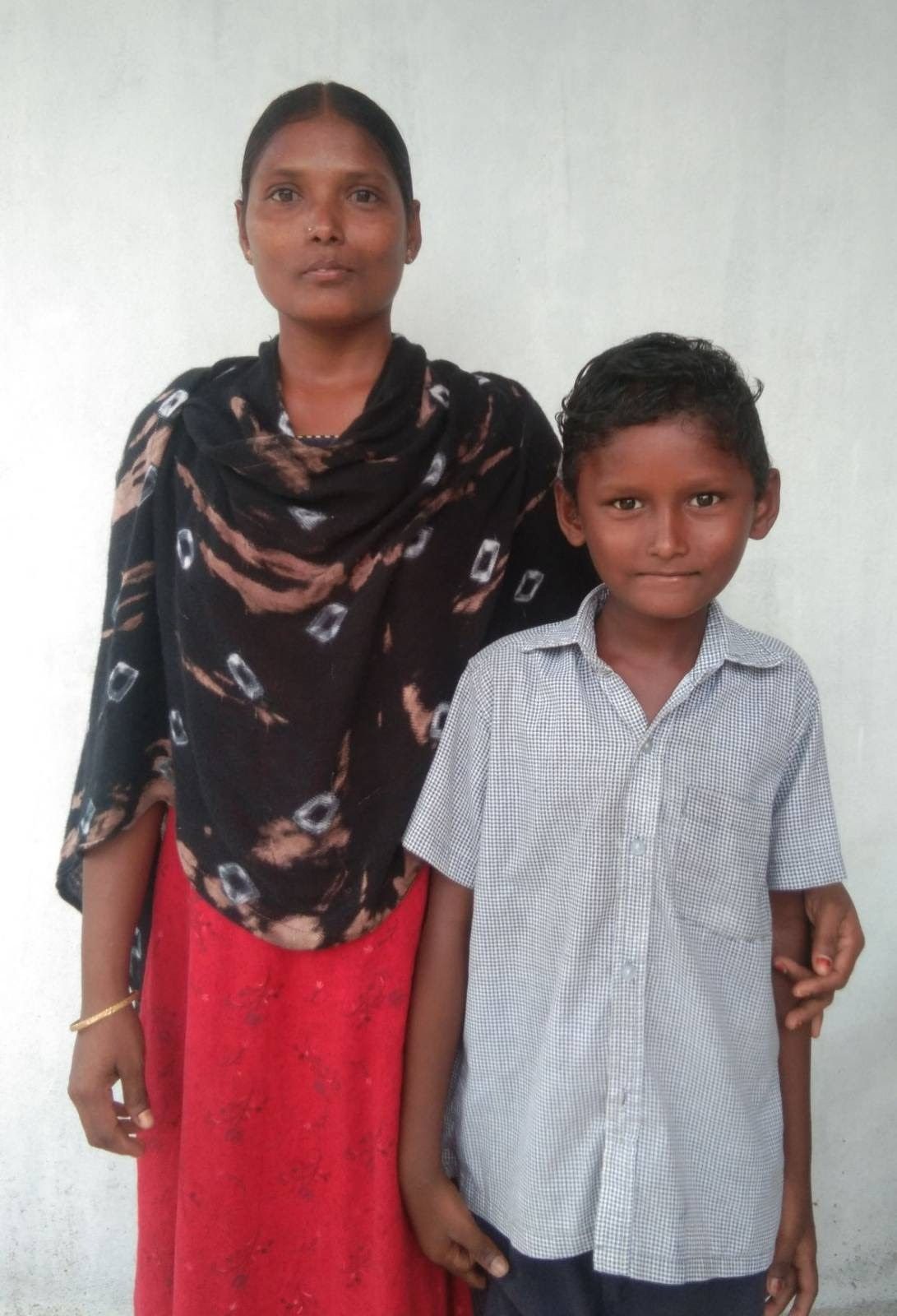
Ravi Babu was just eight years old when he lost his father to complications from paralysis—a devastating blow for any child. And his grandfather had already passed a few years before that, so the small family was left without male support or protection in their rural South Asian village. With his two older brothers sent off to a government-run boarding school, Ravi Babu and his mother were left alone—isolated, grieving, and vulnerable. Things looked bleak. But then, hope stepped in.
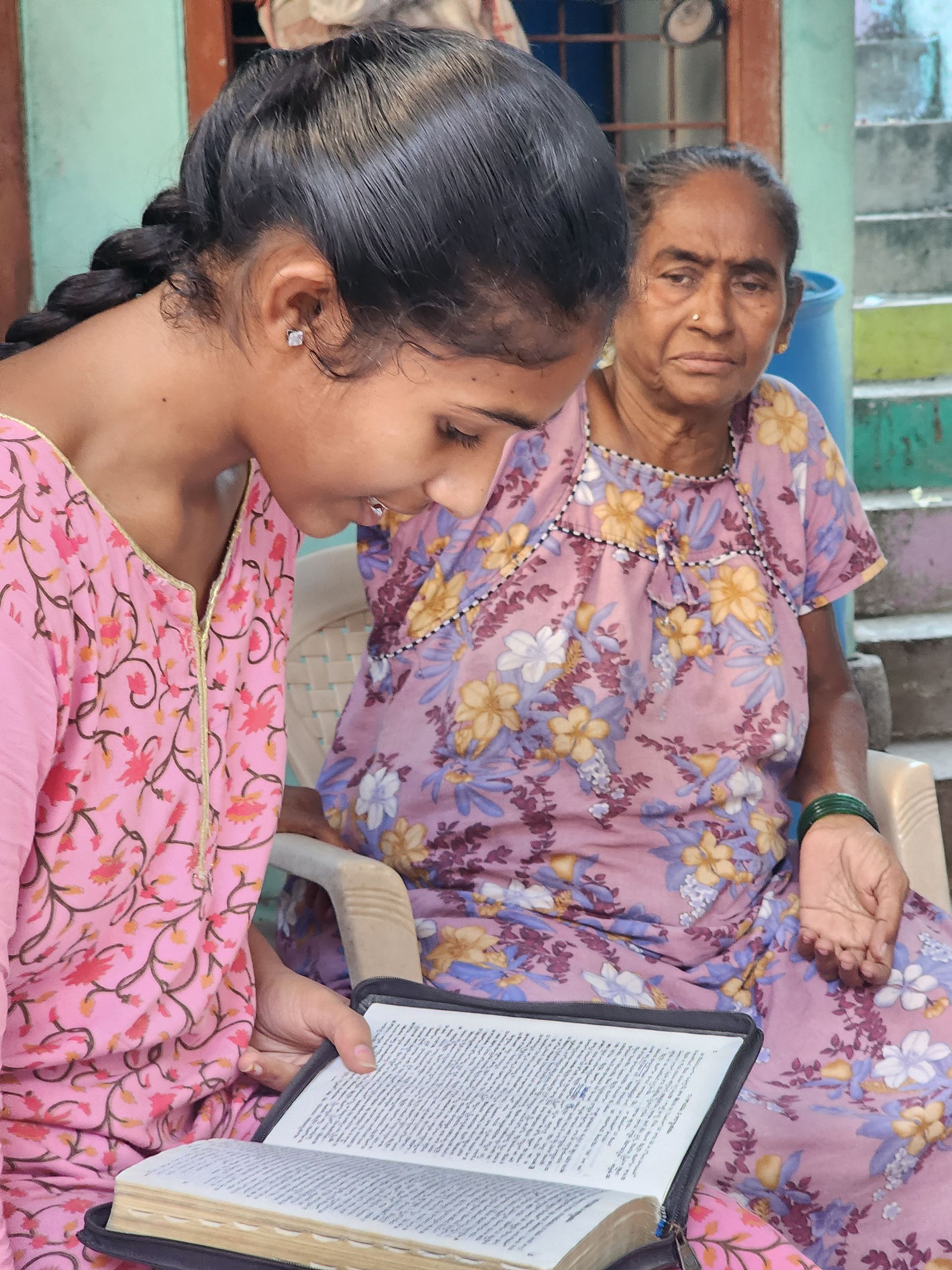
So often we hear about orphaned and vulnerable children “falling through the cracks” of broken systems. At Restoring Hope, we believe those cracks are created by impossible choices—choices made by loving caregivers who are doing everything they can to help their families survive. Sumani’s* story reminds us that for many families in rural South Asia, survival is a way of life. And without education and support, children can become trapped in a cycle of poverty that is almost impossible to escape. A CHILDHOOD SHATTERED After years of domestic violence, Sumani’s childhood was shattered when her mother died while she was still very young. Soon after, her father abandoned the family. When he later passed away in an accident, Sumani and her brother were left entirely in the care of their aging grandmother. Grief, instability, and uncertainty became part of everyday life. For her grandmother, raising grandchildren was not only an emotional burden—it was an economic one. With no social or financial safety net and with her own health declining due to cancer and diabetes, she faced heartbreaking decisions. Sending Sumani to work as a domestic helper felt like a necessary survival strategy. Later, the pressure turned toward early marriage, not as a loss of Sumani’s dreams, but as a desperate attempt to ensure protection and security for her future. PICKING UP THE PIECES This is where Restoring Hope’s family-based care and locally-led solutions make a lasting difference.